
Classical & Modern Ukulele Music
Explore a unique collection of classical masterpieces, early music and original fingerstyle compositions, carefully arranged for the ukulele by Lambert Spix.
From Renaissance dances and Baroque melodies to Romantic favourites and contemporary compositions – find inspiring music for your ukulele, complete with sheet music and tablature.
Discover the beauty of music on four strings!


About Lambert Spix
My musical journey began with the classical guitar, which has been part of my life since I was 12 years old. Over the years, it has become much more than just an instrument – it is a lifelong companion and a source of inspiration.
Today, I share my passion for the guitar through teaching in my hometown, helping others discover the joy of making music.
In 2021, a new instrument entered my life: the ukulele. And what can I say? It was love at first note!
Since then, I've been fascinated by the musical possibilities of the ukulele, especially its ability to bring classical music to life through fingerstyle playing. This passion has inspired me to arrange classical pieces and create original compositions specifically for the ukulele.
With Music for Ukulele, I'd love to share this enthusiasm with fellow ukulele players around the world.
Feel free to check out my Facebook group, my YouTube channel, and my Patreon page!

Let Your Ukulele Sing!
Discover beautiful melodies, explore new musical styles and find inspiration for your next musical adventure.
Whether you love classical masterpieces or modern fingerstyle compositions, your next favourite piece is waiting for you.
How to Play Classical Music on the Ukulele – A Beginner’s Guide
When people think of classical music, they often imagine a piano, violin or classical guitar. But did you know that the ukulele is also a wonderful instrument for playing classical music?
With its warm, charming sound and compact size, the ukulele offers a surprisingly rich world of musical possibilities. From Renaissance dances and Baroque minuets to Romantic melodies, many beautiful classical compositions can be adapted for fingerstyle ukulele.
Whether you are a beginner or already have some experience, this guide will help you take your first steps into the world of classical ukulele music.
1. What Is Classical Ukulele Music?
Classical ukulele music is not a separate historical musical tradition. It is about playing music from different classical periods on the ukulele.
Many compositions originally written for lute, guitar, keyboard or other instruments can be arranged for ukulele.
You can explore music from several periods:
Renaissance: Elegant dances and beautiful melodies, often with a simple and transparent structure.
Baroque: Minuets, dances and expressive pieces with several musical voices.
Classical Period: Clear melodies and balanced musical phrases.
Romantic Period: More expressive melodies, rich harmonies and emotional musical colours.
These different styles make classical music an exciting source of repertoire for ukulele players.
2. Fingerstyle – Playing Melody and Accompaniment
One of the most important techniques in classical ukulele playing is fingerstyle.
Instead of strumming chords, you use your fingers to play individual notes. This allows you to combine melody, bass notes and accompaniment.
A simple melody can gradually develop into a complete musical arrangement with several voices.
Here are a few tips for getting started:
Start slowly and concentrate on playing each note clearly.
Practise short musical phrases rather than trying to play an entire piece at once.
Pay attention to the rhythm and the length of each note.
Keep your movements relaxed and avoid unnecessary tension.
Once you know the notes, try to bring out the melody so that it stands out from the accompaniment.
You do not need to play fast. In classical music, a beautiful tone and musical expression are often much more important than speed.
3. High-G or Low-G Ukulele?
One of the first questions when choosing classical ukulele music is which tuning to use.
The two most common options are High-G and Low-G tuning.
High-G tuning
The traditional High-G ukulele has a re-entrant tuning. The G string is tuned higher than the C string. This creates the familiar bright and characteristic ukulele sound.
Low-G tuning
With Low-G tuning, the G string is tuned one octave lower. This gives the instrument a wider range and allows you to play deeper bass notes.
Both tunings have their own musical character. High-G can be particularly charming for melodies and traditional ukulele arrangements, while Low-G offers additional possibilities for arrangements with bass lines and several voices.
Before choosing sheet music, always check which tuning the arrangement is written for. Some pieces work with both tunings, while others are designed specifically for one.
4. Sheet Music or TAB – What Do You Need?
Classical ukulele music is often available in two forms of notation: standard musical notation and tablature (TAB).
Standard notation shows the actual musical notes, including pitch and rhythm. It is particularly useful if you want to understand the music in greater detail or play music written for other instruments.
Ukulele TAB shows you where to place your fingers on the instrument. It can make learning a new piece easier, especially if you are not yet familiar with reading standard notation.
Many ukulele arrangements combine both systems. This gives you the best of both worlds: you can follow the musical notation while using TAB as an additional guide.
If you are just starting out, an edition that includes both notation and TAB can be a very helpful choice.
5. Which Classical Composers Should You Start With?
There are many wonderful composers whose music works beautifully on the ukulele.
Here are a few names worth exploring:
Fernando Sor: Known for his beautiful guitar studies, melodies and elegant classical compositions.
Mauro Giuliani: His music offers lively melodies and interesting fingerstyle patterns.
Johann Anton Logy: His Baroque dances are a lovely introduction to early instrumental music.
Christian Petzold: His famous Minuet in G is a popular piece for beginners.
Francisco Tárrega: His expressive Romantic guitar music provides wonderful material for fingerstyle arrangements.
You do not need to know all these composers before you begin. Choose a melody you enjoy and let your musical curiosity guide you.
6. Recommended Classical Ukulele Sheet Music by Lambert Spix
If you would like to explore classical music on your ukulele, here are some collections from my own shop that can help you get started.
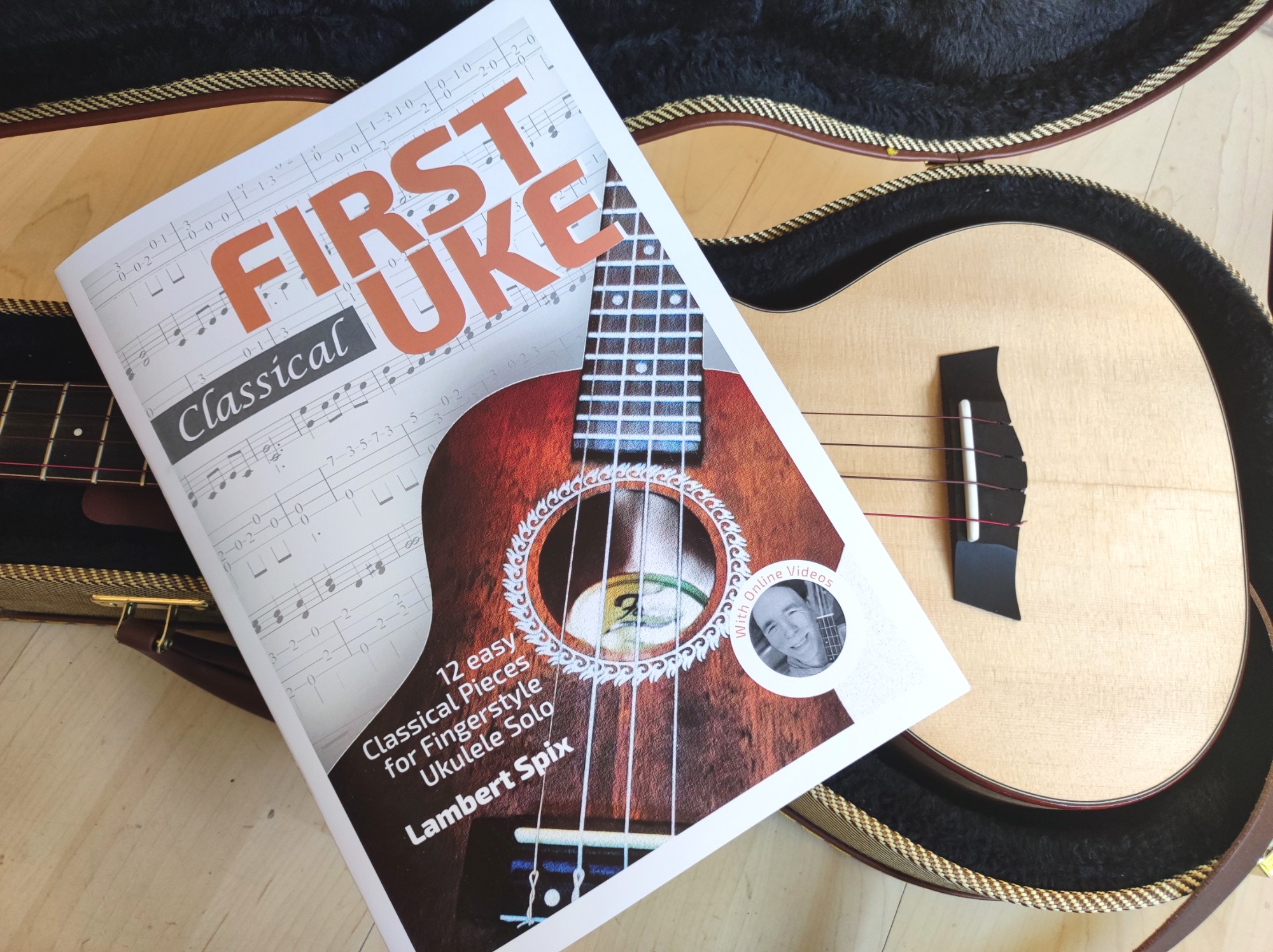
A collection of 12 easy classical fingerstyle pieces from the Renaissance, Baroque and Romantic periods.
Featuring music by Neusiedler, Campion, Logy, Petzold, Mozart, Sor, Aguado and Giuliani, this book is a great way to discover different musical styles.
Online videos are also available to help you hear the pieces.
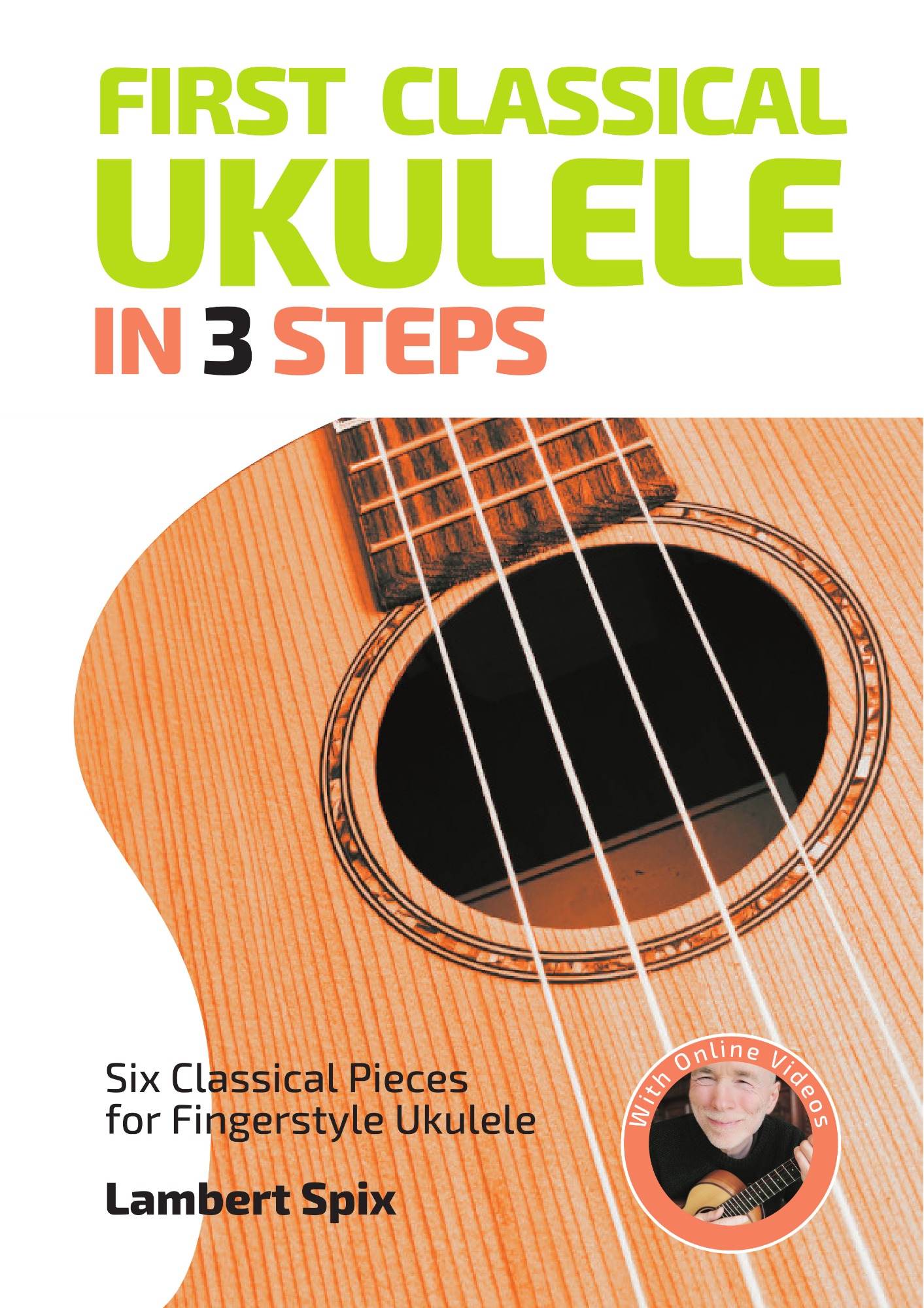
First Classical Ukulele in 3 Steps
A different approach to learning classical fingerstyle music.
This collection contains six classical pieces, each presented in three progressive stages:
The melody on its own.
Melody with basic harmony and bass notes.
A complete multi-voice arrangement.
This makes it easier to develop your fingerstyle skills step by step.
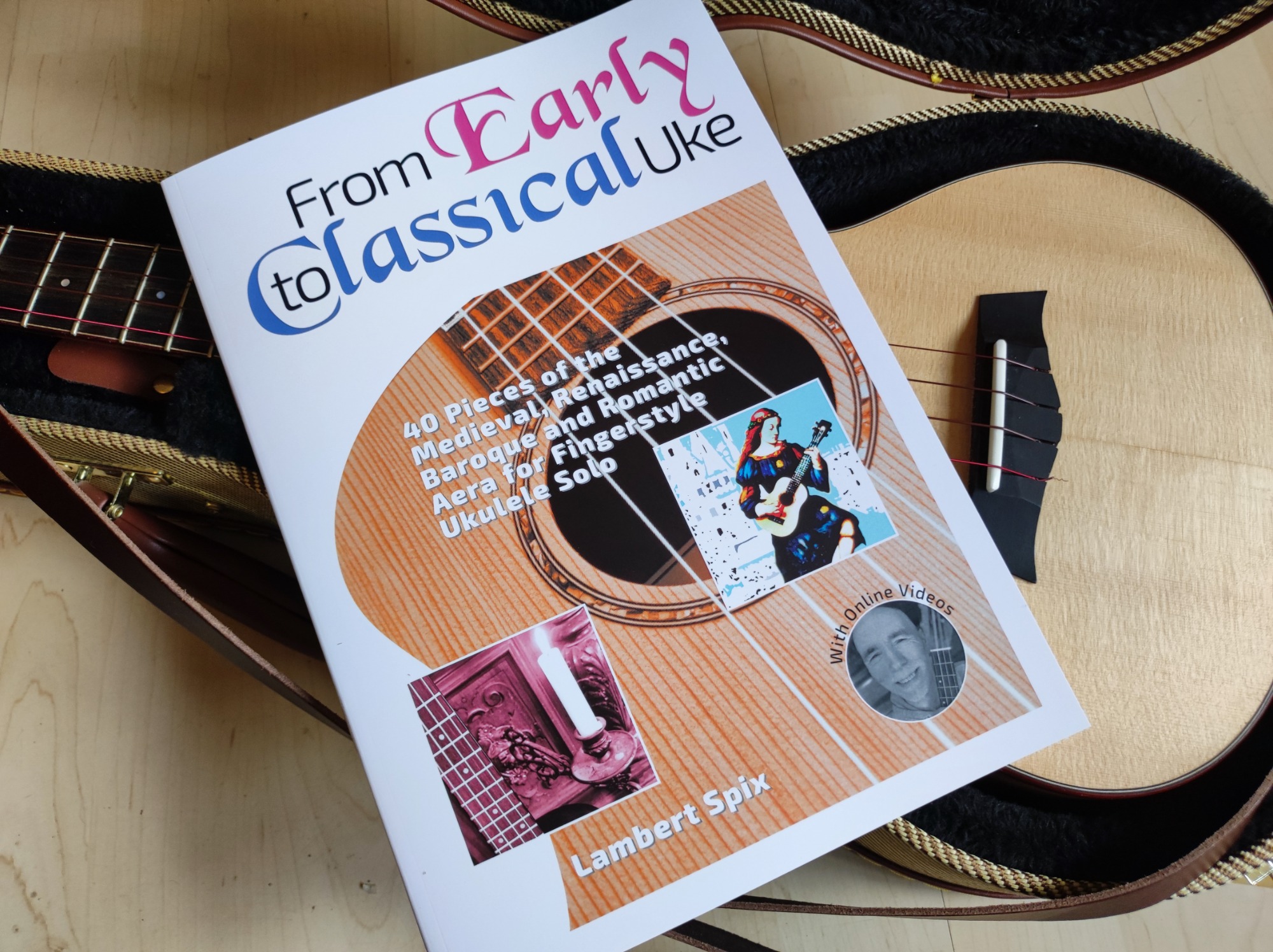
For players who want to explore a wider range of historical music, this collection contains 40 fingerstyle pieces from the Medieval, Renaissance, Baroque and Romantic periods.
It is a musical journey through several centuries, with a variety of styles and melodies to discover.
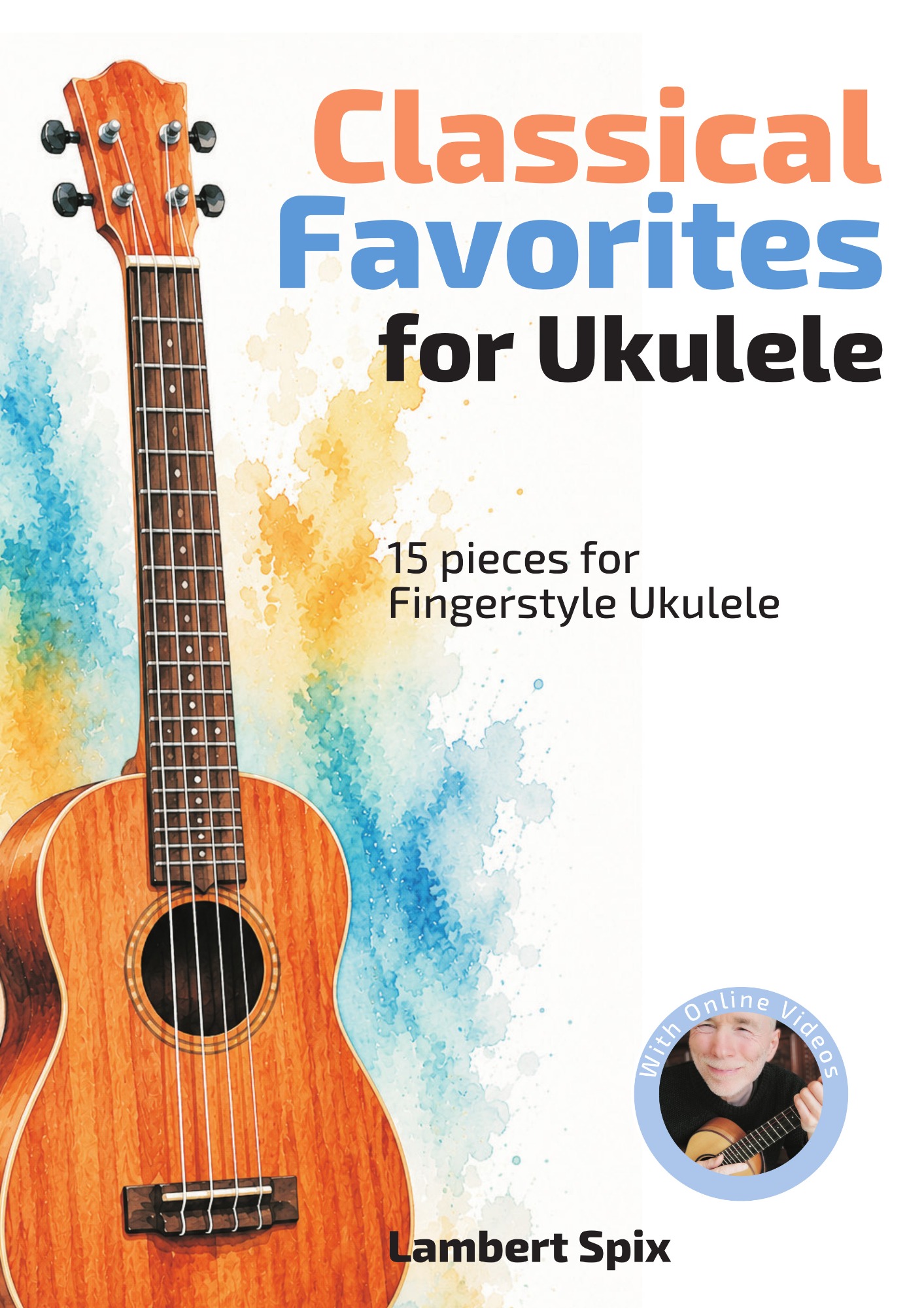
This collection brings together 10 classical and modern pieces for fingerstyle ukulele.
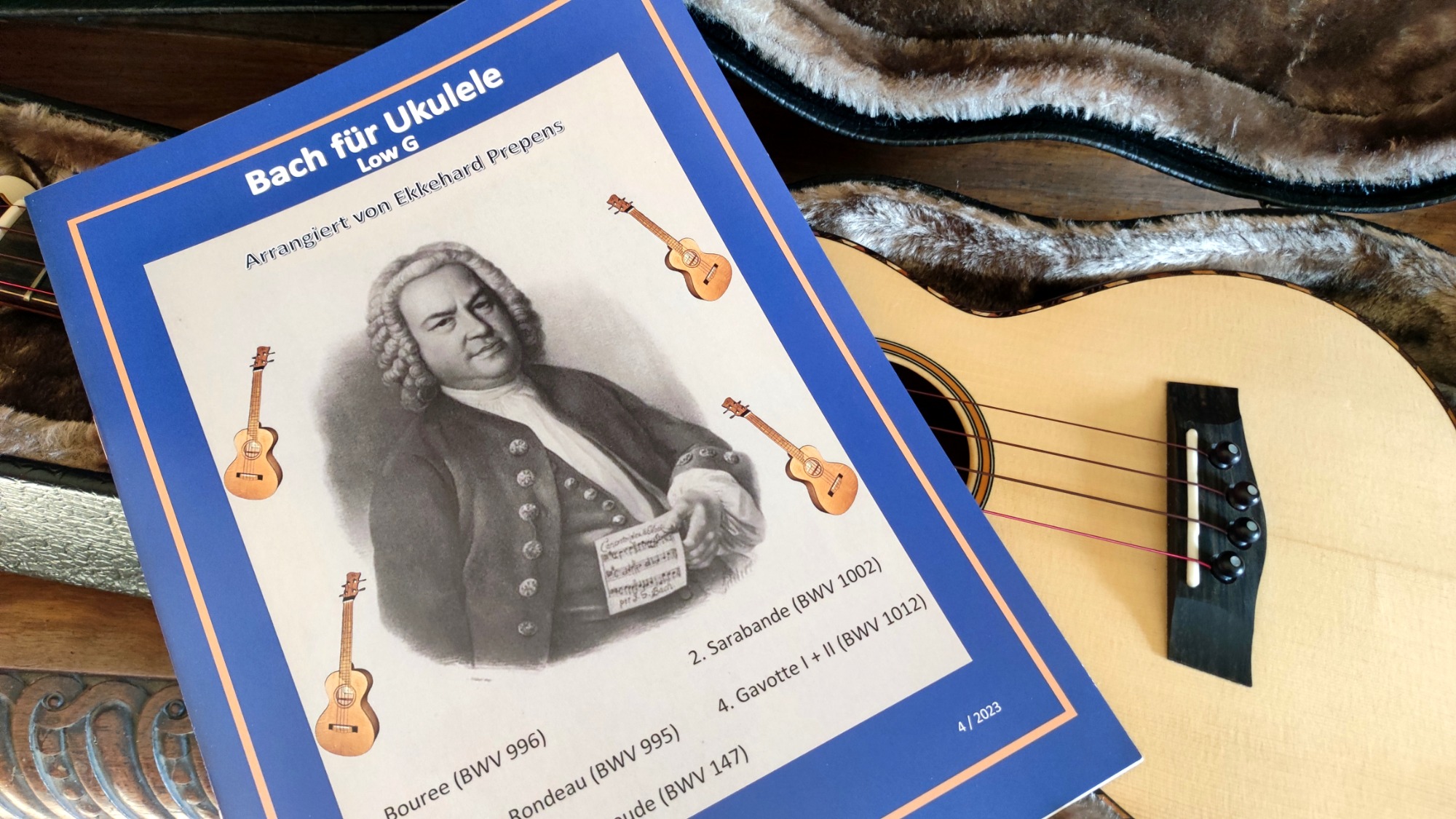
Featuring music by Francisco Tárrega, Fernando Sor and Edvard Grieg, as well as original compositions by Lambert Spix, Ekkehard Prepens and Paul Mansell, it offers plenty of expressive melodies.
A collection of seven pieces by Fernando Sor, arranged for fingerstyle ukulele.
A wonderful opportunity to explore the music of one of the most important composers for classical guitar.
You can find these collections and more fingerstyle ukulele sheet music at musicforukulele.de.
7. How to Practise Classical Ukulele
You do not need to spend hours practising every day. A short and regular practice routine can make a big difference.
Here is a simple routine to try:
5 minutes: Warm up with simple and short pieces.
5 minutes: Practise a short musical phrase from your current piece.
10 minutes: Work on the difficult passages slowly.
5 minutes: Play through the entire piece and focus on musical expression.
Try to listen carefully to your own playing. Are all the notes clear? Does the melody stand out? Are the transitions between chords and notes smooth?
And most importantly: enjoy the music!
8. Enjoy the Journey
Learning classical music on the ukulele is a rewarding experience. You will discover beautiful melodies, improve your fingerstyle technique and explore music from different centuries.
Start with a simple piece, practise at your own pace and gradually expand your repertoire.
You might be surprised by how much musical expression this little instrument can offer.
Happy playing!